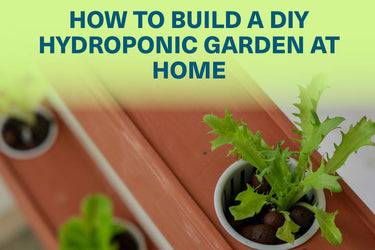


How to Build a DIY Hydroponic Garden at Home

Why Build a DIY Hydroponic Garden?
Building your own hydroponic garden allows you to customize your setup based on space, plant type, and growing goals. DIY systems are flexible, budget-friendly, and easy to adjust as you gain experience.
With the right components and a reliable pump, hydroponic gardening can be simple to maintain and rewarding to grow.
Step 1: Choose the Right Hydroponic System
Start by selecting a system style that fits your space and plants.
-
Deep water culture systems are ideal for leafy greens and herbs
-
Nutrient film technique systems work well for fast-growing, shallow-rooted plants
-
Drip systems work well for a wide range of plants
-
Flood and drain systems are great for larger setups
-
Wick systems are best for small projects and beginners
-
Aeroponic systems work well for a wide range of plants
Your choice will determine how much water movement and pumping power you need.
Step 2: Select a Reservoir and Growing Area
The reservoir holds your nutrient solution and supplies water to your plants. It should be opaque to prevent algae growth and large enough to support your plant count.
Your growing area may include net pots, trays, or channels that allow roots to access water without being overcrowded.
Step 3: Choose the Right Pump
The pump is the heart of your hydroponic system. It keeps water moving, oxygenated, and evenly distributed.
When selecting a pump, consider:
-
Pumping height needed to reach your plants
-
Flow rate required for your system size
-
Whether a low-water shutoff feature is important
Consistent water circulation helps prevent root rot and promotes healthy growth.

Step 4: Add Nutrients and Monitor Water Quality
Hydroponic plants rely on nutrients added directly to the water. Use a hydroponic-specific nutrient solution and follow recommended dosing instructions.
Regularly check:
-
Water levels
-
pH balance
-
Water temperature
Small adjustments over time help keep plants thriving.
Step 5: Maintain Your System
Once your system is running, ongoing maintenance is simple.
-
Check pumps and tubing weekly
-
Top off water as needed
-
Clean all components between growing cycles
A well-maintained system can support healthy plants for months at a time.

Build With Confidence
DIY hydroponic gardening gives you control over how and where you grow. With the right setup and reliable equipment, you can enjoy fresh plants in any season.
New to Hydroponics? Start with our Hydroponics 101 guide to learn how these systems work before building your own.